
Intellectual/Developmental Disabilities

The Michigan Mental Health Code defines developmental disability as:

  • Attributable to a mental or physical impairment or a combination of mental and physical impairments.
  • Manifested before the individual is 22 years old.
  • Likely to continue indefinitely.
  • Results in substantial functional limitations in 3 or more of the following areas of major life activity: Self-care, receptive and expressive language, learning, mobility, self-direction, capacity for independent living, economic self-sufficiency.
Individualized Approach

We choose to see the ability in each of the people we serve – not the disability.

You are more than your disability.

That is why we provide a variety of individualized services and supports to persons with intellectual and developmental disabilities and­ their­ families. We focus on promoting individual choice, opportunities for community inclusion, innovation, effectiveness, and efficiency, using the Culture of Gentleness approach in all practice.  

A treatment team will help you and your chosen support system – including family, guardians, or friends – design a Person-Centered Plan which will guide the services and supports needed to reach your goals.

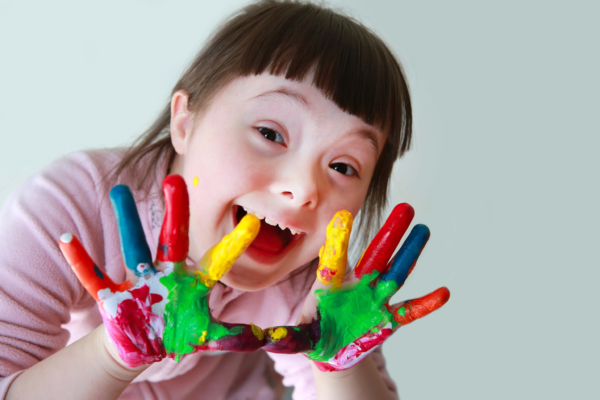
Cute little girl with painted hands

Culture of Gentleness

People change not by what they know, but by how they feel.

We believe in treating people the way we would like to be treated. We operate in a “culture of gentleness” through the lens of recovery. This means:

  • We focus on consumers’ strengths instead of vulnerabilities.
  • We focus on changing ourselves instead of expecting consumers to change (the better we understand the needs of people we serve, the more effective we will be in meeting them).
  • We recognize that human/consumer needs are complex.
  • We recognize the need for boundaries, structured activities and analysis of fears.
  • We encourage caregivers to ask: “What I would do or need if I was X” in a given situation? (This is especially important if the person we are helping is non-verbal, has multiple and complex needs.)